
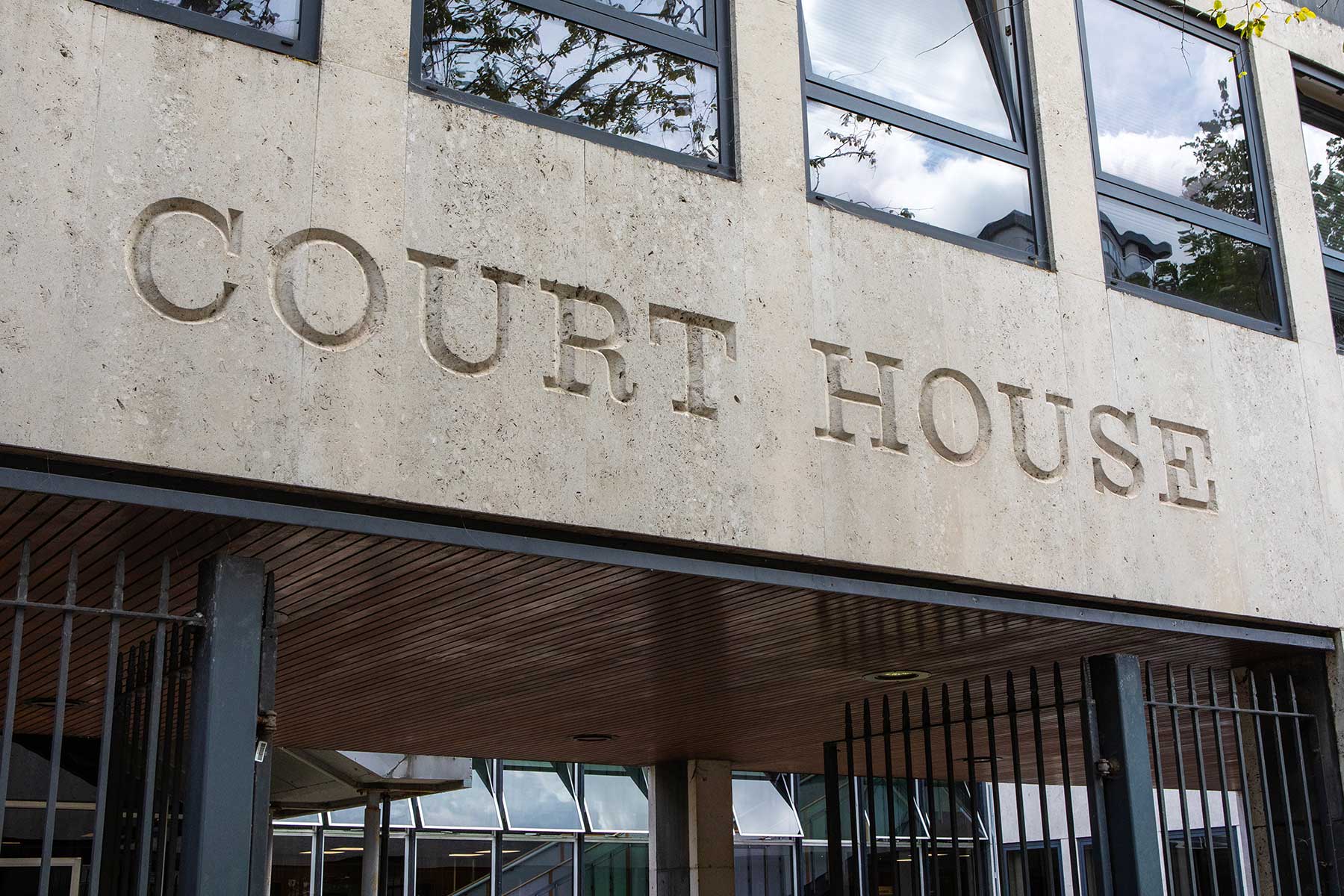
An omnibus hearing in Minnesota is a normal pretrial hearing in felony and gross misdemeanor cases. When someone first appears in court, they are advised of their constitutional rights and the court sets bail and conditions of release. Cases are then set for an omnibus (pretrial) hearing as an intermediate next step.
What Happens at an Omnibus Hearing
The omnibus hearing is normally the first good opportunity to discuss how the case could be settled with a plea bargain, so many cases get settled at the omnibus hearing with plea agreements. But for cases that do not get settled, the omnibus hearing may be continued to another court date to have a judge decide important issues that affect how the trial will be conducted. If a case is not settled and there aren’t any pretrial issues for a judge to decide, then the case will be set for trial.
People often worry whether they could end up in jail at the omnibus hearing, but that is almost never the case. If a case gets settled at the omnibus hearing, you will usually know the details before you decide whether to take a deal. If a case does not get settled, it will get set for another court appearance. So people who are not in custody normally go home after the omnibus hearing.
Many Things at Once: Streamlining Pretrial
The term omnibus hearing was adopted when the court rules were changed to streamline the pretrial issues into a single court date. “Omnibus” is an adjective that means relating to many things at once. As the term suggests, there are several issues that may be addressed at a pretrial omnibus hearing. If the defense is challenging a search warrant or asking the judge to throw out any illegally obtained evidence, a contested omnibus hearing can be scheduled, where a judge will receive evidence and arguments from the attorneys and make pretrial rulings about the case.
The purposes of an omnibus hearing are explained in Rule 11 of the Minnesota Rules of Criminal Procedure, including:
- Whether there is probable cause for the case to proceed to trial.
- Whether any of the evidence was illegally obtained and therefore should be suppressed (thrown out) based on a violation of someone’s Miranda rights, an illegal search or search warrant, illegal stop of a vehicle, or improperly conducted identification lineup.
- Whether the defendant’s constitutional rights were violated during the investigation or arrest.
- Full disclosure of all relevant evidence, including things not included in the police reports.
- Whether the identity of confidential informants must be disclosed.
- Whether people who have been charged with the same offense should have separate or joint trials.
- Whether the prosecutor will be allowed to tell the jury about a person’s prior criminal history, prior sexual conduct, or prior relationship problems.
- Whether there is a basis for the prosecutor to ask for an aggravated sentence.
- Any other issues that a judge must decide before trial to ensure that a trial will be fair.
You can demand a pretrial omnibus hearing within 28 days of the first court appearance, or that time requirement can be waived. People who are in custody often demand a speedy omnibus hearing to keep the case moving.
Free Consultation
If you have questions about an omnibus hearing in Minnesota, or questions that are not answered in this article, I’m here to help. While you’re not legally required to have an attorney at an omnibus hearing, going ahead without one can create challenges so having representation is recommended. As an experienced criminal defense attorney, I understand that legal problems don’t always happen during ordinary office hours.
Call Bill Sherry 952-423-8423 for a free consultation.